I've been building websites since 1999. I've been explaining how since 2015.
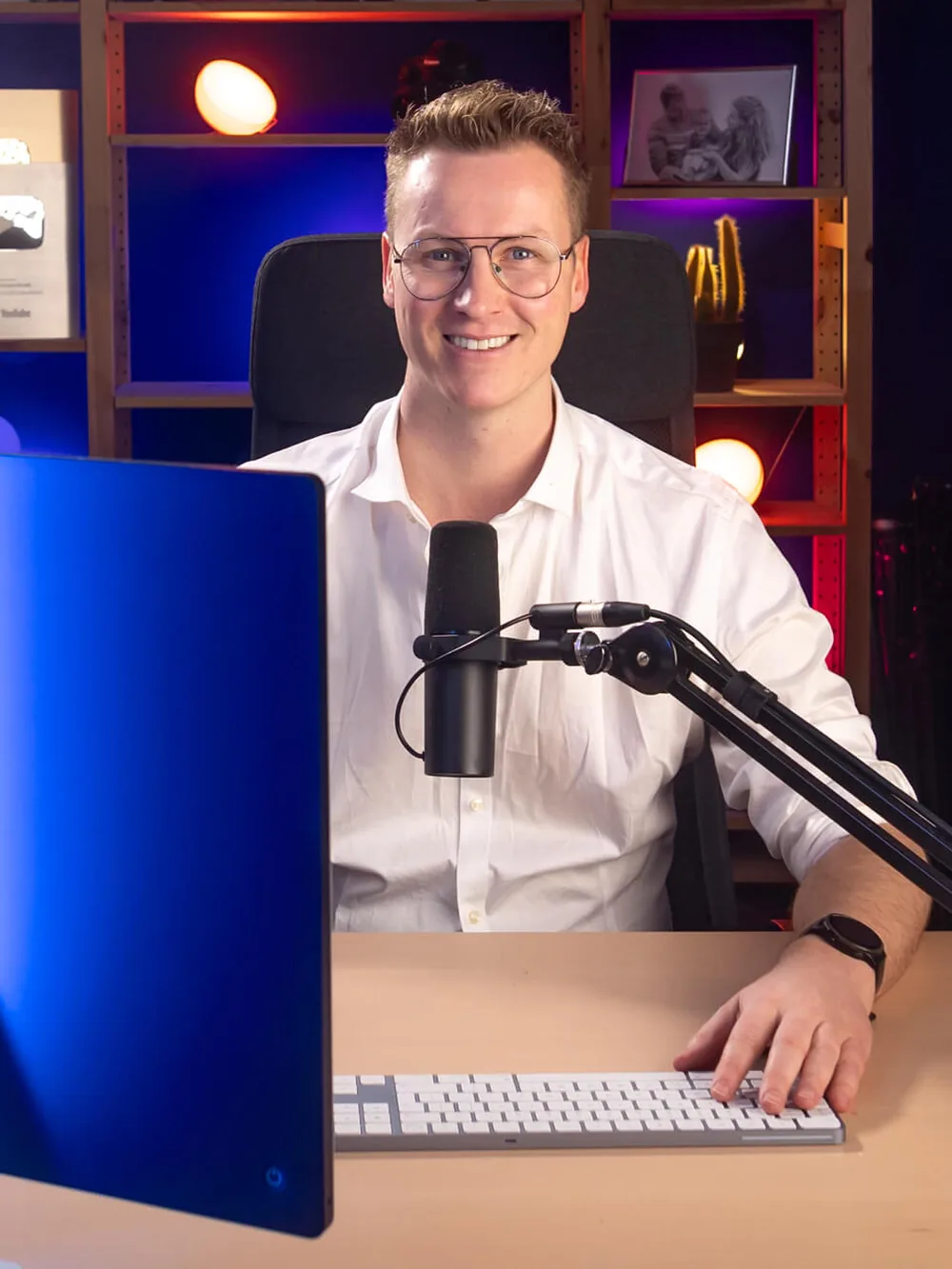
I'm Ferdy Korpershoek. I live in the Netherlands with my wife Anna and our two children. I make long, complete tutorials about WordPress, Elementor and AI, and I give all of them away.
Anyone with an idea should be able to build the website for it.
Not a placeholder. Not something they're embarrassed to send people to. A real website that works, that they understand, and that they can change themselves next Tuesday without asking anyone's permission.
That used to require money or a developer. It doesn't any more, but it does require someone to explain it properly. That's the job I picked.
“If you can describe what you want, you can build it. The only thing missing is someone patient enough to show you the whole thing.”

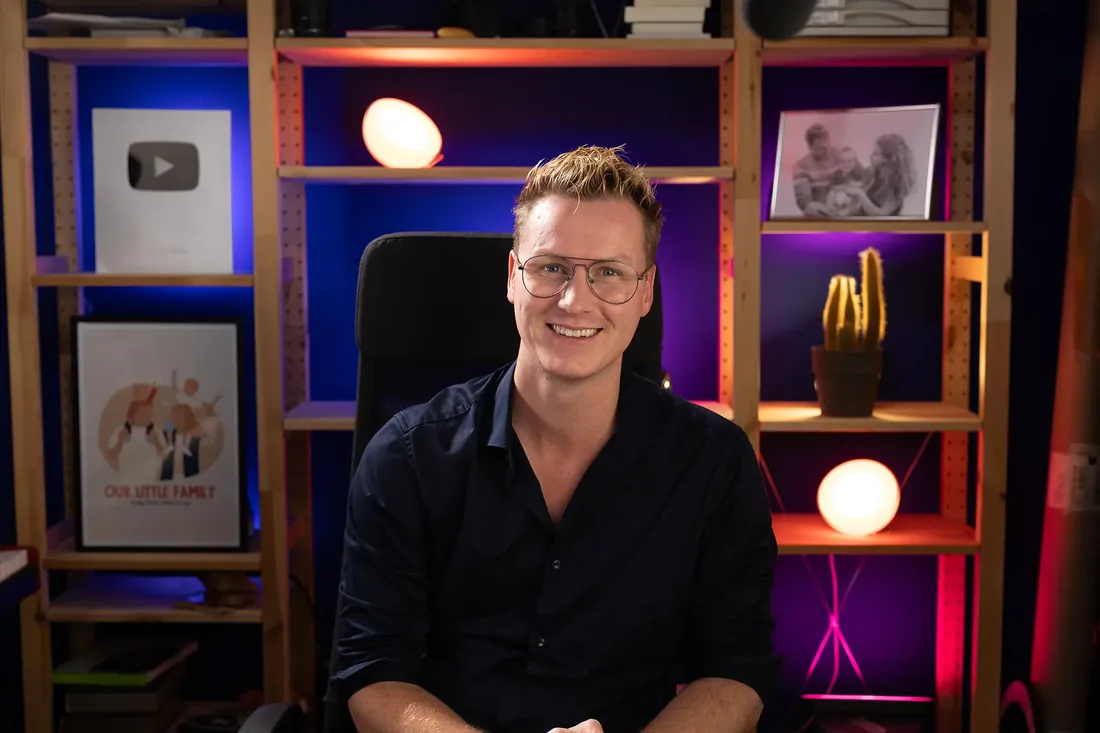

The gap isn't talent. It's someone showing you the middle.
Almost everyone I hear from didn't fail at building a website. They stalled. They got the theme installed, followed a tutorial to the point where the tutorial ended, and then hit the first real problem: a layout that broke on mobile, a plugin conflict, a checkout that wouldn't take a test payment. And there was nobody there.
That gap is where most people quit, and it's almost never covered, because it's slow and unglamorous to film. It's also the only part that teaches you to solve the next problem on your own.
So I record it. All of it. When something breaks mid-tutorial I don't cut. I debug on camera, out loud, and you get to watch someone with twenty-seven years of experience be temporarily confused. That turns out to be the most useful thing I do.
The second reason is simpler. A website is one of the few things a person can build alone that changes their income. I've had messages from a florist who stopped paying an agency €400 a month, a coach who filled her calendar from one landing page, a teenager who now builds sites for local businesses. None of them needed a gatekeeper. They needed instructions.
Twenty-seven years, condensed.
The useful version, including the parts that didn't work, and the year I decided to stop selling.
A first website, and getting hooked
I built my first site as a teenager. It was ugly and it worked, and that combination was enough to make me want to do it again. Everything since is a longer version of that afternoon.
A course nobody bought
I made a WordPress course and then couldn't bring myself to market it the way I'd been told to, with the urgency, the fake scarcity and the countdown timers. It sold almost nothing. It taught me exactly which business model I didn't want.
The first YouTube tutorial
I published a WordPress walkthrough and made a decision I've never gone back on: everything free, funded by ad revenue, sponsorships and affiliate commissions. No paywalls, no selling tricks.
Married Anna
The person who tells me when a tutorial is forty minutes too long, and is usually right.
A son, then a daughter
The reason the working day now has a hard end, and the reason I stopped pretending that hustle is a personality.
Teaching becomes the job
The free model started paying properly. I stopped taking client work and went full-time on tutorials, which meant they could get longer and more thorough instead of shorter and more marketable.
Elementor AI, and a different kind of craft
The first release that genuinely changed my workflow. I rebuilt a lot of my teaching that year, and started publishing about AI seriously rather than as a curiosity.
One million subscribers
Ten years, several thousand hours of footage, and a number I still don't quite believe. What it mostly means is that the free model was the right call.
Websites you build by describing them
MCP connected AI assistants to real tools, and web design changed shape again. So I'm back where I started: working out how it fits together, then explaining the whole thing.
Where eleven years of teaching ended up.
Six rules I don't bend.
Not values on a wall. These are the ones that have cost me money and I kept anyway.
Show the whole build
If it took me twenty minutes to figure out, you get those twenty minutes. Cutting the hard part makes a shorter video and a worse teacher.
Free first, always
Money comes from ads, sponsors and affiliate links, never from a lesson that stops halfway. I decided that in 2015 and I'm not revisiting it.
Say when I'm wrong
Tools change and so do my opinions. I'd rather re-record a tutorial than defend an old one because it's ranking well.
Only recommend what I use
If I wouldn't put it on a client's site or my own, it doesn't get a link, no matter what the commission is.
Plain words
Jargon is usually a sign the person explaining doesn't fully understand it either. If I can't say it simply, I go back and learn it better.
Teach the person, not the software
Elementor will look different in three years. How to think about a page, a visitor and a business won't.
The unglamorous reality.
One email a week. The thing I'd tell you over coffee.
What changed in WordPress and AI that week, what I'd actually use, and what I'd ignore. Written by me, not summarised by a tool.
- New tutorials the moment they're published
- Honest verdicts on tools, including the ones I dropped
- No sequences, no upsells, one click to leave
Start where you are.
Pick the tutorial that matches the thing you're stuck on. If you're not stuck on anything yet, start at the beginning. That one's eight hours and worth every one of them.